A tooth can become weakened after a crack, a big filling, or even a root canal. A dental crown can cover the damage and make your tooth and your smile look good as new. At Sol Dental Studio, we use crowns frequently, and we often get the same questions from our patients. What materials do dental crowns use? What is the cost of a dental crown? Do dental crowns give you your money’s worth?
Read below what you need to know about dental crowns.
What Are Dental Crowns?
A dental crown is an artificial cap designed to cover, restore and protect a tooth that has been damaged, weakened and inadequately built up. After a crown is placed, there is a new surface for the patient to bite and chew.
What material compositions are modern crowns comprised of? Modern crowns can be made from a variety of compositions like porcelain, ceramic, zirconia, metal alloys or composite resin. Which we recommend will depend on the location and distribution of bite forces.
What is the difference between a crown and a filling? Fillings are designed to close small cavities. Crowns encapsulate the whole tooth (entirely). When a tooth has been decayed/treated significantly, and a root canal has been performed, there is no filling large enough to protect the tooth. In cases like these, we recommend a crown.
How Dental Crowns Work
A crown surrounds a tooth and protects it from damage. After a crown is placed, the tooth can withstand chewing pressure and cracking, and it can function normally. It is similar to a helmet, which protects the head, but much stronger, and is designed specifically for teeth.
Why You Might Need a Dental Crown
At Sol Dental Studio, we typically recommend a crown for patients with:
- A cracked, broken, or worn-down tooth
- A large filling that’s weakening the tooth structure
- A tooth that has recently had a root canal
- Discoloration or a misshapen tooth affecting their smile
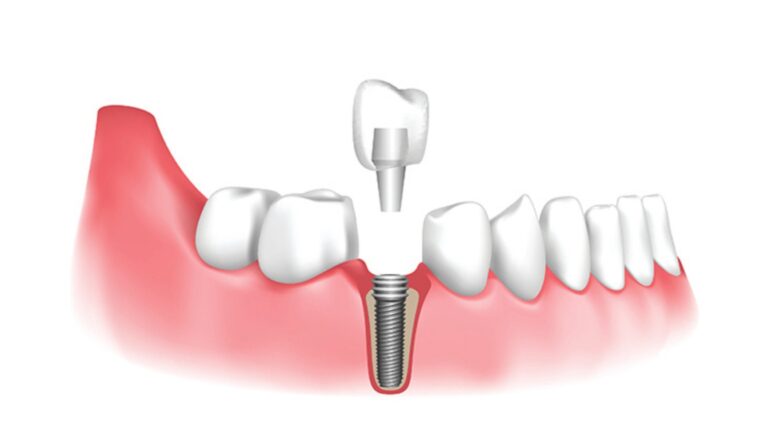
- A dental bridge that needs anchoring or an implant top
- Severe wear that may call for full mouth dental crowns
Types of Dental Crowns
Not all crowns are the same. The right choice depends on the tooth’s location, your bite, and your budget.
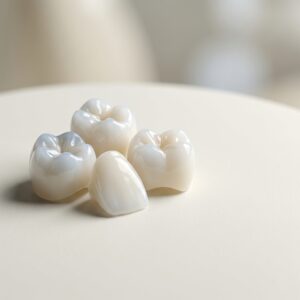
- Porcelain dental crowns — Most natural-looking. Ideal for front teeth.
- Porcelain-Fused-to-Metal (PFM) — Strong, with a tooth-coloured exterior.
- Zirconia Crowns — Extremely durable and aesthetic. A modern favourite.
- Metal Crowns (Gold or Alloy) — Longest-lasting, usually placed on back molars.
- Resin Crowns — Budget-friendly, but they wear down faster.
- Same-Day Dental Crowns (CEREC) — Digitally designed and placed in one visit.
- Pediatric Dental Crowns — Stainless steel or tooth-coloured crowns designed for kids with extensive decay or damaged baby teeth.
Types of Dental Crowns and Cost
Cost depends on material, lab work, and any additional treatment needed. In Canada, you can generally expect:
| Crown Type | Average Cost (CAD) |
| Resin | $600 – $1,000 |
| Porcelain-Fused-to-Metal | $900 – $1,400 |
| All-Porcelain / Ceramic | $1,100 – $1,600 |
| Zirconia | $1,200 – $1,800 |
| Metal / Gold | $1,300 – $2,000 |
| Same-Day CEREC | $1,200 – $1,800 |
| Dental Crowns for Kids | $300 – $600 |
Most extended dental plans cover 50–80% of dental crowns cost. At Sol Dental Studio, we review your coverage and flexible payment options before treatment begins.
Benefits of Dental Crowns
The benefits of dental crowns go well beyond appearance. Here are the key advantages of dental crowns that our patients value most:
- Restores full chewing function and a comfortable bite
- Protects cracked or weakened teeth from breaking further
- Improves the appearance of your smile — dental crowns before and after results are often dramatic
- Long-lasting: 10 to 15+ years with proper care
- Prevents costlier procedures like extractions or implants
- Blends naturally with surrounding teeth
Disadvantages of Dental Crowns
To keep things balanced, here are a few disadvantages of dental crowns to consider:
- The tooth must be reshaped, which is irreversible
- Possible short-term sensitivity to hot or cold
- A small risk of chipping (especially with porcelain)
- Higher upfront cost compared to fillings
For most patients, the long-term protection outweighs these drawbacks.
The Dental Crown Procedure
The dental crown procedure at Sol Dental Studio is straightforward and comfortable. Here are the dental crown procedure steps:
- Exams and X-rays to assess the tooth
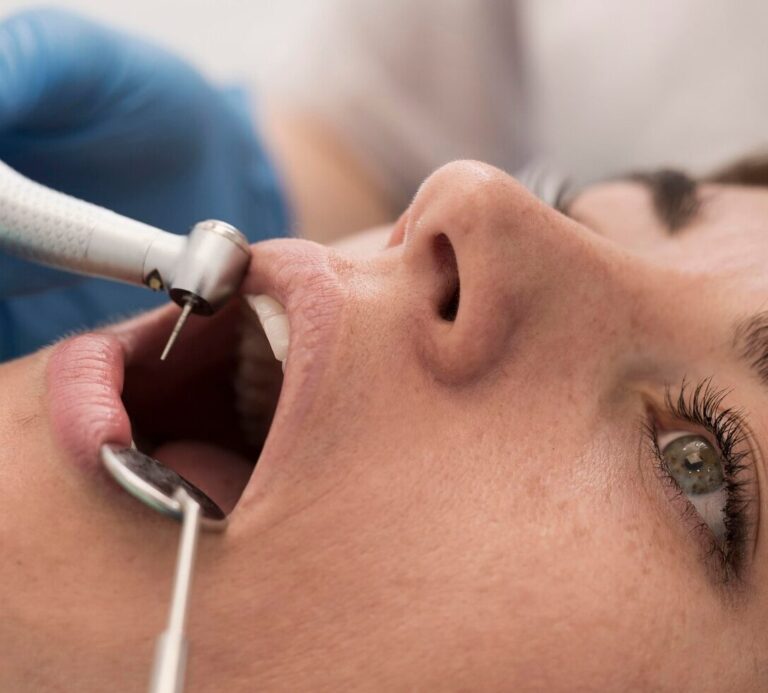
- Tooth preparation — reshaping it to fit the crown
- Digital scan or impression of the prepared tooth
- A temporary crown is placed while your permanent one is made
- Final crown placement at a follow-up visit (or same day with CEREC)
Most patients complete the process in two visits — or just one with same-day technology.
How Long Do Dental Crowns Last?
With good care, crowns typically last:
- Porcelain: 10–15 years
- Zirconia: 15+ years
- PFM: 10–15 years
- Metal: 20+ years
- Resin: 5–7 years
- Pediatric crowns: until the baby tooth falls out naturally
Grinding, hard foods, and poor dental hygiene can shorten that timeline.
How to Care for Dental Crowns
A few simple dental crown care tips will help you protect your investment:
- Brush twice daily with a soft-bristle toothbrush
- Floss daily, especially around the gumline
- Avoid chewing ice, hard candies, or pen caps
- Wear a night guard if you grind your teeth
- Visit Sol Dental Studio every six months for a checkup
Ready to protect your smile? The team at Sol Dental Studio will help you choose the right crown for your tooth, your budget, and your long-term oral health.
Frequently Asked Questions
1. Are dental crowns painful?
No. The area is fully numbed, and most patients only feel mild sensitivity for a day or two after.
2. How much do dental crowns cost without insurance?
In Canada, expect $900 to $1,800 per crown, depending on the material.
3. What’s the best type of dental crown?
Zirconia and porcelain offer the best balance of strength and natural appearance.
4. Are there dental crowns for kids?
Yes — pediatric dental crowns protect damaged baby teeth until they fall out naturally.
5. How long does the procedure take?
Two visits over 2–3 weeks, or one visit with same-day CEREC crowns.