While a toothache may seem mild at first, if neglected, it can become a significant problem. For most people, an ongoing toothache or tooth sensitivity is always a sign of a larger issue, such as a tooth cavity or a tooth infection.
Root canal treatment is a very popular procedure that helps save damaged or infected teeth. Our team at Sol Dental works hard to help our patients get back to their healthy state through our accurate and efficient root canal treatment that will keep your teeth healthy and intact.
What Is a Root Canal?
You may be wondering, what exactly is a root canal?
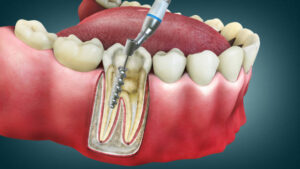
Root canal therapy involves the removal of diseased tissues from within your tooth. Your tooth pulp is the soft tissue in the center of the tooth and contains nerve endings and a blood supply. It can become infected due to deep cavities, cracks, or trauma to your tooth.
Root canal therapy (also known as endodontic therapy) involves the following:
- Removing the infected pulp
- Cleaning and disinfecting the inner canals
- Sealing the tooth to prevent reinfection
The goal of the treatment is to save your natural tooth and eliminate infection—all while relieving pain and discomfort.
Signs You Might Need a Root Canal
The importance of knowing when it’s time for a root canal can help avoid far more severe dental issues in the future. Below are some of the typical signs that suggest that a root canal might be necessary:
Pain in the teeth
Increased sensitivity to hot and cold temperatures that continues even after the source has been removed
Inflammation or swelling of the gums where the problematic tooth is located
Tooth discoloration
Aches when eating or chewing
A sign of infection in the tooth, like a bump on the gums (abscess)
If you’re noticing any of these symptoms, you should visit a dentist right away.
Why Root Canal Therapy Is Necessary
A root canal isn’t just about relieving pain; it’s about preserving your natural tooth and protecting your overall oral health.
Ignoring an infected tooth can lead to:
- The infection is spreading to neighboring teeth and tissues
- Bone loss around the tooth
- Ultimately, tooth extraction, which is more expensive and complex
Choosing root canal therapy offers multiple benefits:
- Relieves infection and stops it from spreading
- Saves your natural tooth
- Maintains your bite and alignment, allowing you to continue eating and speaking normally
- Prevents more costly procedures like implants and bridges in the future
Root Canal Treatment Steps Explained
What happens during a root canal treatment at Sol Dental?
- Examination and diagnosis
The dentist begins with the examination of the infected tooth along with an X-ray to assess the full extent of the problem.
- Local anesthesia
Local anesthesia will be applied to make sure that the process is completely pain-free and you experience no discomfort whatsoever.
- Removal of infection
This step involves the removal of infected pulp from inside the tooth along with thorough cleaning of the canals.
- Filling and sealing
After cleaning, the area is filled with a biocompatible material that seals the tooth against any new infections.
- Restoration of the tooth
In most cases, the final step will involve the application of a dental crown to ensure that the tooth regains its normal shape and functionality.
Root Canal Procedure Time
Several patients have been interested in knowing how long the entire root canal process will take. Luckily for them, the process is faster than anticipated.
The whole process lasts 60 to 90 minutes for each appointment.
Some patients might require two separate visits.
Though “root canal” might seem scary, patients end up finding it quite easy and fast.

What to Expect During and After Treatment
During Treatment
Modern root canal therapy is well-known for being comfortable. Thanks to anesthesia and advanced techniques, most patients experience little to no discomfort. The procedure feels similar to getting a regular filling.
After Treatment
The recovery period for most patients is smooth:
- Mild soreness is common for a few days, but this can be managed with over-the-counter pain relief
- You can return to your normal activities right after the procedure
- Post root canal care is simple: you’ll just need to avoid chewing on the treated side for a while
Root Canal Cost
The root canal cost can vary depending on several factors, including:
- The tooth’s location in your mouth (molars tend to be more expensive)
- The severity of the infection
- Whether you need a dental crown placed after the treatment
On average:
- Front tooth: lower cost
- Premolar: moderate cost
- Molar: higher cost due to complexity
Although the upfront cost may seem higher, root canal treatment is often more cost-effective in the long run compared to tooth extraction and replacement options.
Root Canal vs Extraction
When considering root canal vs extraction, saving your natural tooth is typically the better choice. Here’s a quick comparison:
| Root Canal | Tooth Extraction |
| Preserves the tooth | Removes the tooth completely |
| Maintains your bite and function | Requires implants or bridges |
| Faster recovery | Longer treatment process |
| Less expensive long-term | Additional costs for tooth replacement |
By saving the tooth, you avoid the need for costly replacements and maintain a healthy smile.
Root Canal Recovery Tips
To support your root canal recovery, here are a few tips:
- Take pain medication as prescribed by your dentist
- Stick to a soft diet for a few days
- Avoid chewing on the treated tooth until it’s fully restored
- Continue brushing and flossing as usual
With proper care, the root canal healing process is typically quick and straightforward.
How to Prepare for a Root Canal
Wondering how to prepare for a root canal? Here are a few simple steps to help you get ready:
- Eat a light meal before your appointment (your mouth may be numb afterward)
- Follow any instructions given by your dentist
- Relax and ask questions—being informed can ease anxiety

How to Avoid Needing a Root Canal
Prevention is key. Here’s how you can avoid needing a root canal:
- Brush twice a day, floss daily, and use mouthwash
- Visit your dentist regularly for checkups
- Treat cavities early and repair any damage to teeth promptly
- Protect your teeth from trauma (use a mouthguard if necessary)
Conclusion
A root canal is an excellent way to save your tooth and eliminate pain. If you’re experiencing symptoms like tooth pain, sensitivity, or visible infection, don’t wait. Early treatment can save you time, money, and discomfort.
At Sol Dental, we offer gentle, effective care to ensure that your root canal therapy is as smooth and stress-free as possible.
If you think you need a root canal or have any questions, don’t hesitate. Book a consultation with Sol Dental today and start your journey to a pain-free smile.
Frequently Asked Questions
1. Is a root canal painful?
No, most patients find the procedure comfortable. With modern anesthesia and techniques, it’s virtually painless.
2. How long does a root canal take?
Most treatments are completed in 60–90 minutes, though complex cases may require more time.
3. How long does the treated tooth last?
With proper care, the tooth can last a lifetime.
4. Can a root canal fail?
While rare, reinfection can occur. Regular checkups ensure your treatment is successful long-term.